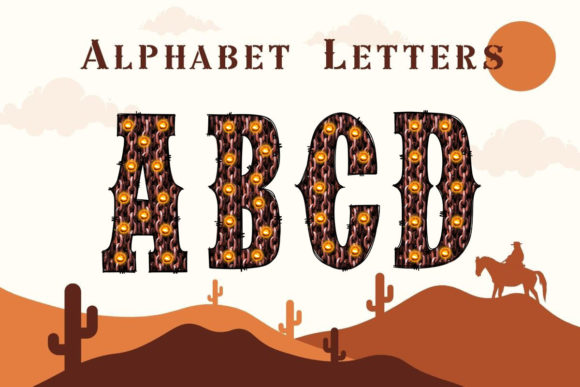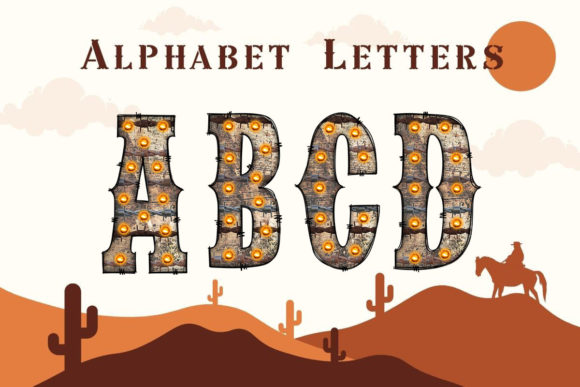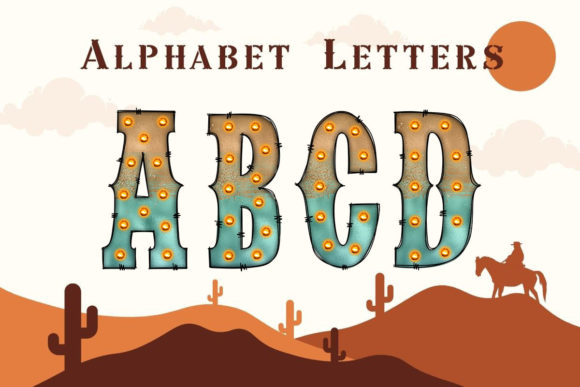
Western Sign Saloon Laser Cut Files 247
When I pull a new digital asset into my design workflow, I am rarely looking for just another pretty picture. As a designer who spends half the day digitizing and the other half troubleshooting thread breaks, I need to know if a file actually works in the real world. That is why I approach Western Sign Saloon Laser Cut Files 247 with a critical eye. While the product description highlights its utility for laser machines like the Glowforge Pro, the visual language of this Illustrations category piece tells a different story—one that speaks directly to embroidery designers, small business owners, and crafters looking to add a rugged, authentic touch to their handmade products.
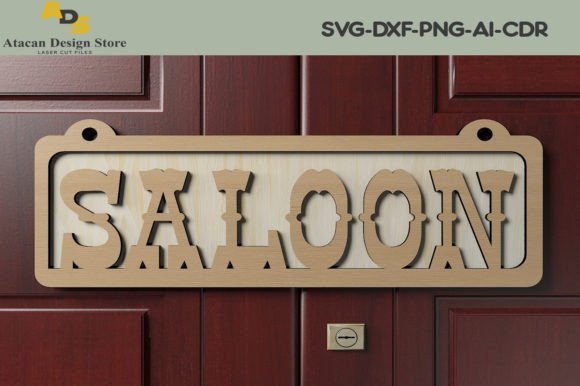
The first impression of Western Sign Saloon Laser Cut Files 247 is one of immediate nostalgia mixed with commercial viability. The layout captures the essence of a classic saloon sign without feeling cluttered or overly complex. For an embroidery project, complexity is often the enemy of clarity. This design strikes a balance that many modern Graphics miss: it has enough character to stand alone but enough negative space to allow the stitching to breathe. Whether you are planning a custom sweatshirt for a cowboy-themed birthday or a boutique apron for a rustic wedding, the mood here is inviting yet sturdy.
Real-World Application in Embroidery Projects
I recently tested how this concept translates from a vector graphic to a stitched machine embroidery design. The scenario was straightforward: creating a line of personalized gifts for a client who runs a rural event venue. They wanted branded merchandise that felt authentic, not mass-produced. Western Sign Saloon Laser Cut Files 247 became the centerpiece of that collection.
The design performs exceptionally well on heavy-duty fabrics. When applied to canvas tote bag design options, the bold lines of the saloon theme anchor the garment beautifully. It does not get lost in the weave of the fabric. Similarly, when adapted for sweatshirt embroidery, the Western aesthetic pairs naturally with cotton blends and fleece materials. The visual weight of the sign matches the substantial feel of these garments, creating a cohesive look that customers recognize as high-quality handmade product.
For those selling on Etsy or running a craft business, versatility is key. This design can be scaled down effectively for embroidered patch applications. Imagine a small, circular patch featuring the central motif of the saloon sign, placed on the chest of a denim jacket or the cuff of a work shirt. It adds a layer of personality that turns a generic item into a statement piece. The digital embroidery file structure allows for this kind of flexibility, making it a valuable asset for commercial embroidery workflows where one design needs to serve multiple product types.
Technical Considerations for Stitching
While the visual appeal is strong, translating a laser-cut style graphic into stitchable elements requires careful planning. The original Illustrations rely on clean edges and solid fills, which must be interpreted correctly during the digitizing process. If you are converting this Graphics file into an applique design, the precision of the cut lines becomes crucial. You want the backing fabric to show through cleanly, mimicking the crispness of a laser-cut sign.
However, there are areas where caution is advised. The intricate details typical of Western signage—such as small lettering or delicate decorative accents—can become muddy if the stitch density is too high or if the hoop size is too small. On textured fabrics like burlap or thick wool, fine details may disappear entirely. In these cases, simplifying the design by reducing the number of running stitch elements and relying more on robust fill stitch areas will yield a cleaner result.
Fabric choice also plays a significant role. Stretchy fabrics, such as jersey knits used in casual t-shirts, can distort the geometric precision of the saloon sign. Without proper stabilization, the tension changes can cause the design to pucker, ruining the professional finish. Always use a reliable stabilizer appropriate for the fabric weight. For dark fabrics, consider using a contrasting thread color or a light-colored backing to ensure the design pops, whereas on light fabrics, darker threads might provide better definition.
Design Clarity and Thread Selection
One of the most common mistakes I see in custom apparel is poor thread color contrast. Because Western Sign Saloon Laser Cut Files 247 relies on strong silhouettes, the thread color should complement, not compete with, the shape. A cream or gold thread on a black background can evoke the warm glow of a saloon lamp, enhancing the thematic depth. Conversely, using low-contrast colors like grey on black will flatten the design and make it difficult to read from a distance.
When evaluating the visual appeal, think about the end-user. A customer buying a personalized gift wants to see a clear, recognizable image. If the embroidery project results in a blobby, indistinct shape, trust in your brand diminishes. By testing the design on scrap fabric first, you can inspect small details and confirm that every curve and corner stitches out clearly. This step is non-negotiable for maintaining brand consistency and ensuring that your finished product looks as good as the mockup.
Strategic Use for Small Business Owners
For Etsy sellers and small shop product creators, Western Sign Saloon Laser Cut Files 247 offers a unique angle. The Western theme is perennially popular, especially around holidays, rodeo seasons, and summer festivals. It fits seamlessly into collections of holiday embroidery items, such as pillow covers, kitchen towels, and blankets. The rustic charm appeals to a broad demographic, from hobbyists to serious collectors of Western memorabilia.
Using this design in printable mockups can significantly boost buyer engagement. Showcasing the saloon sign on various products—like a baby onesie, a cap, or a tea towel—helps potential buyers visualize the final outcome. However, remember that the mockup is only as good as the underlying design quality. Ensure that the design assets you use are high-resolution and properly converted for embroidery to avoid pixelation or distortion in your previews.
It is also important to verify licensing before selling finished items. While the files support various formats like SVG, DXF, PDF, AI, and CDR, confirming whether you have commercial rights is essential. Many digital product sellers face legal issues by overlooking these terms. If the license allows commercial use, this design can become a staple in your inventory, providing steady revenue from craft fair products and online sales alike.
Final Thoughts on Practicality
In conclusion, Western Sign Saloon Laser Cut Files 247 is more than just a laser-cut template; it is a versatile foundation for creative embroidery projects. Its strength lies in its balanced composition and thematic clarity, making it suitable for everything from apparel decorators creating custom uniforms to creative entrepreneurs launching a boutique brand. By paying attention to stitch density, fabric texture, and thread contrast, you can transform this graphic into a stunning embroidery project that resonates with customers.
As you integrate this design into your workflow, keep these practical tips in mind: always test on scraps, choose the right stabilizer, and respect the limits of smaller hoop sizes. With careful execution, Western Sign Saloon Laser Cut Files 247 can elevate your handmade presentation and help you create memorable, high-value products that stand out in a crowded market. Whether you are designing for personal use or large-scale commercial embroidery, this file offers a reliable path to professional-looking results.