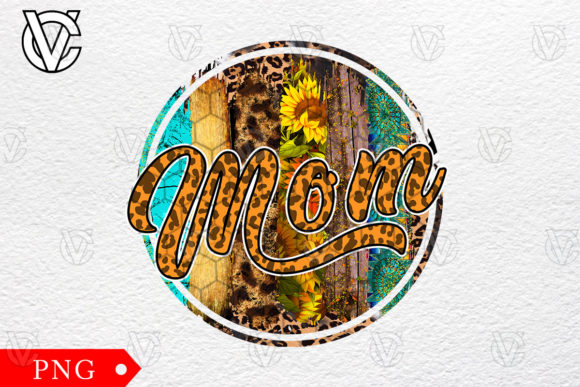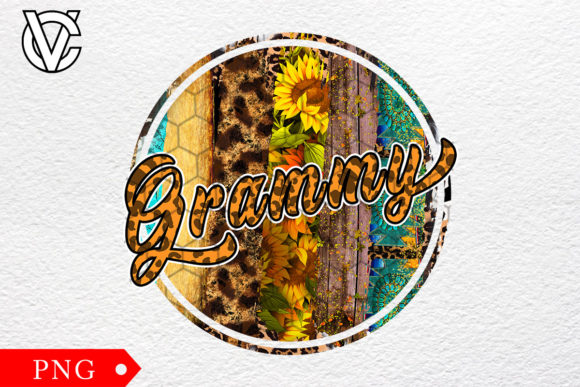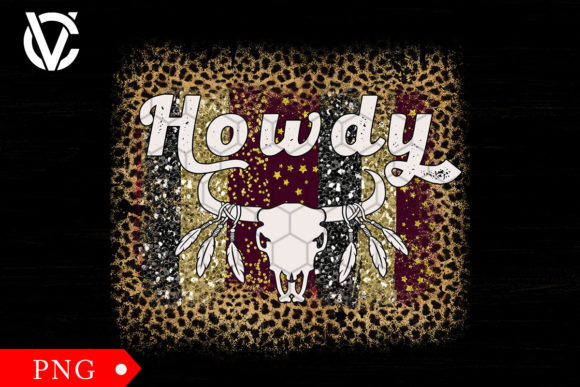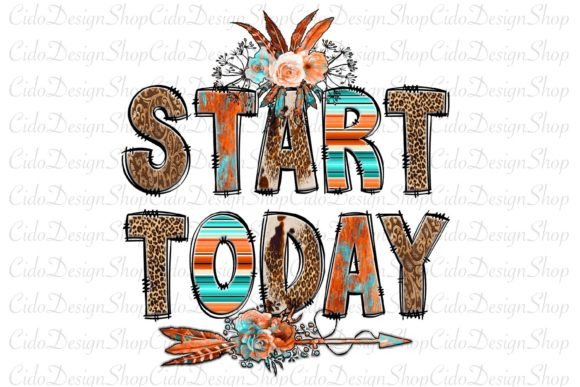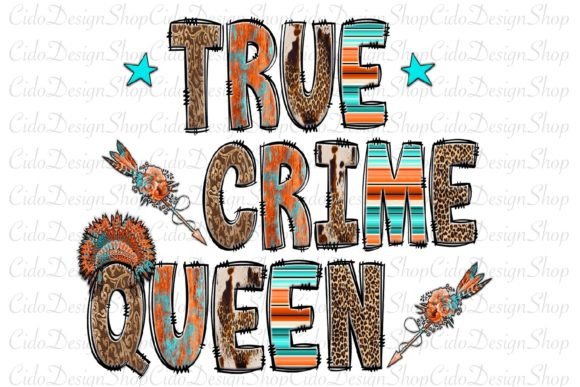
Western Funny PNG Review
As a designer who spends half her life staring at stitch charts and the other half worrying about thread tension, I don’t just buy graphics; I interrogate them. When I pulled up Funny Png, Western Png, my first instinct was to look past the title and assess its viability for actual production. In the world of embroidery, a pretty picture on a screen is very different from a stitched reality on fabric. This review breaks down how this specific design asset holds up when moved from the digital workspace to the hoop.
First Impressions: Mood and Visual Personality
The moment you load Funny Png, Western Png, the vibe is immediate. It carries that distinct blend of rustic charm and playful irreverence that defines modern western aesthetics. The "funny" aspect suggests it isn’t taking itself too seriously, which is a massive plus for today’s market. Customers are moving away from stiff, overly formal designs in favor of personality-driven pieces. This graphic feels like it belongs on a denim jacket pocket, a cozy fleece sweatshirt, or perhaps a spirited apron for someone who loves their BBQ more than their diet.
Visually, the layout appears balanced. For an embroidery project, balance is everything. If the visual weight is too skewed, the stitching can pull the fabric unevenly, leading to puckering or distortion. From what I can see in the preview, the central focus is strong, allowing for clear digitization. The theme taps into a timeless niche—western wear, rodeo culture, and country living—but adds a layer of humor that makes it shareable. That shareability is crucial for Etsy sellers and craft business owners looking for products that drive engagement through social media.
Real-World Application: Where Does This Fit?
I’ve been thinking about where Funny Png, Western Png would actually shine in a small shop environment. It’s not a one-size-fits-all solution, but it has clear winners. Let’s talk about custom apparel. A heavyweight cotton sweatshirt with this design embroidered on the back or across the chest creates an instant statement piece. The contrast between the rugged texture of the fabric and the clean lines of the embroidery works well here.
Another strong candidate is the tote bag. A canvas tote featuring this design appeals to a broad demographic. It’s practical, it’s trendy, and it serves as walking advertising for your brand. Imagine a boutique selling handmade goods; this item fits seamlessly alongside leather wallets and wooden utensils. It also works beautifully as a personalized gift. Think baby onesies for a little cowboy enthusiast or a nursery wall hanging made from felt or soft cotton. The humor translates even to baby items, adding a touch of whimsy that parents love.
For holiday embroidery, this design has seasonal potential, especially around summer festivals, 4th of July events, or western-themed weddings. It’s versatile enough to be part of a coordinated set—perhaps matching caps for a groomsmen group or decorative pillow covers for a rustic reception venue.
The Technical Reality: Stitching and Clarity
Here is where the rubber meets the road. Since you will receive a PNG file with a transparent background, you are responsible for the digitization process. This is a critical distinction. This is not a SVG file ready for direct cutting or seamless vector scaling without loss of quality if resized excessively. You need to treat this as a raster image source for your digitizing software.
When converting this into a machine embroidery design, pay close attention to the stitch density. Western themes often involve bold shapes. If the digitizer sets the fill stitch too dense, the fabric will become stiff and uncomfortable, especially on garments meant to be worn daily. Conversely, if the satin stitch borders are too thin, they may fray or lose definition after washing. I always advise testing the design in black and white mockups within your software to ensure the negative space reads clearly. If the details get lost in the noise, simplify the elements before sending it to the machine.
Consider the hoop size constraints. If the original graphic is highly detailed, ensure your chosen hoop size allows enough room for the design to breathe. Cramping a complex western motif into a tiny 4x4 inch hoop can result in a muddy, indistinct final product. Larger hoops allow for better spacing of running stitch accents and cleaner fill stitch areas.
Where to Use With Caution
Not every surface is created equal. While Funny Png, Western Png is robust, there are scenarios where it might struggle:
- Small Hoop Sizes: Avoid placing intricate versions of this design on small patches or hat fronts unless the detail level is simplified. Tiny lettering or fine lines will disappear under the needle.
- Textured Fabrics: Thick wools or heavily textured knits can hide the precision of the embroidery. The design relies on clean lines to convey its humor; rough fabrics might obscure those lines.
- Stretchy Fabric: Unless you use a heavy-duty stabilizer, stretchy materials like jersey or spandex blends can distort the graphic, making the "western" shape look warped rather than intentional.
- Dense Stitch Areas: Be mindful of large solid blocks of color. On dark fabric, this might require excessive underlay stitches, which can make the back of the garment feel scratchy.
Product Value and Brand Consistency
From a business perspective, using high-quality design assets directly impacts customer trust. A blurry or poorly executed embroidery job screams amateur hour. By starting with a crisp, 300dpi PNG, you give yourself the best chance at producing a professional-looking finished product. The transparency of the PNG is a huge advantage here. It allows you to place the design precisely on your mockup templates without fighting against white box backgrounds, ensuring your printable mockup looks realistic and polished.
This design supports brand consistency by offering a recognizable style. If your shop focuses on fun, rustic, or humorous themes, having a core design like this helps establish a visual identity. Customers come back for the vibe. When they see that familiar western humor, they know what to expect from your small shop product.
Practical Designer Notes Before You Stitch
Before you commit to a full production run, follow these steps to protect your reputation and your time:
- Test on Scrap Fabric: Always run a test stitch on the exact fabric type you plan to sell. Thread behaves differently on cotton versus polyester blends.
- Check Thread Color Contrast: Ensure the thread colors you choose pop against the fabric. Dark threads on dark fabric can look muddy; light threads on light fabric can vanish.
- Inspect Small Details: Zoom in on the digitized version. Are the eyes visible? Is the text legible? If not, adjust the stitch type or simplify the graphic.
- Confirm Licensing: Although this is a digital embroidery file source, verify the commercial use rights. Can you sell the finished physical items? Can you sell the digitized file itself? Never assume.
- Use Proper Stabilizer: The right stabilizer makes the difference between a puckered mess and a flat, professional finish. Tear-away for stable fabrics, cut-away for stretchy ones.
Final Verdict
Funny Png, Western Png is a solid addition to any designer’s toolkit. It strikes a good balance between thematic appeal and practical application. It’s not just another generic clipart; it has character. Whether you are creating a custom apparel line, stocking an Etsy listing, or making a personalized gift for a friend, this design offers versatility and charm. Just remember that the magic happens in the execution. Treat the file with respect, digitize it thoughtfully, and stitch it with care, and you’ll have a handmade product that customers will love to wear and display.