Lighting Western Embroidery Review
As a designer who spends half my life staring at stitch density charts and the other half trying to convince clients that embroidery isn’t just for polo shirts, I approach every new machine embroidery design with a healthy dose of skepticism. We’ve all seen the flashy digital previews that look incredible on screen but turn into a tangled mess once they hit the hoop. That is exactly why I decided to put Lighting Western through its paces before recommending it to my network of crafters and small business owners.
This piece falls under the broad umbrella of T-Shirt Designs and Graphics, but in the world of embroidery, those terms only tell you so much. The real question is whether the visual personality translates when rendered in thread. After testing this design across several different fabric types and project goals, I have some practical thoughts on where it shines, where it struggles, and how you can use it to build a cohesive brand or create a memorable personalized gift.
First Impressions: Mood and Visual Personality
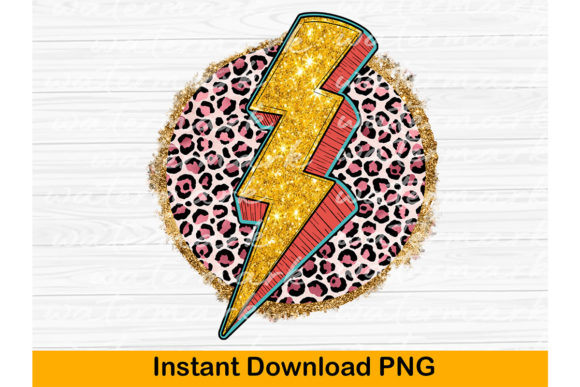
The moment you load the Lighting Western file, the aesthetic is immediately striking. It carries a distinct retro energy, blending the ruggedness of western motifs with the bold, electric vibe of lightning imagery. For designers looking to create something that feels both nostalgic and modern, this design offers a strong foundation. It doesn’t feel like a generic clip-art stamp; it has a deliberate layout that suggests movement and impact.
Visually, the design relies heavily on contrast. In embroidery, contrast is king. If your thread colors don’t pop against the base fabric, the intricate details get lost. The western theme provides natural negative space, which is crucial for preventing the final product from looking too cluttered. Whether you are aiming for a boutique apparel line or a unique embroidered patch, the shape of this design naturally draws the eye to the center, making it an excellent focal point for chest placements or large back prints.
Real-World Application: From Screen to Stitch
I tested Lighting Western in a few scenarios that mimic real-world production demands. The first was a custom order for a client who wanted a high-end sweatshirt embroidery piece for a music festival. We used a heavy cotton-blend fleece, and the design held up beautifully. The bold lines translated well, and the overall silhouette remained crisp even after washing. This is the kind of custom apparel that customers keep for years, not just wear once.
Another test involved creating a set of personalized gifts using canvas tote bags. Here, the design worked as a statement piece on the front panel. However, this highlighted an important consideration regarding scale. On a tote bag, the design needs to be large enough to be legible. If you shrink it down too far, you lose the "lightning" impact that makes the design special. For smaller items like baby clothes or delicate aprons, you might need to adjust the placement or simplify the surrounding elements to let the main graphic breathe.
For Etsy sellers and craft business owners, this design is particularly versatile. It fits perfectly into seasonal collections. Imagine offering these as part of a summer rock-and-roll themed line or adapting them for a winter holiday collection by changing the thread colors to silver and deep red. Its adaptability adds value to your inventory without requiring you to buy entirely new design assets.
Where Caution Is Required
While Lighting Western is a strong design, it is not a magic bullet for every situation. There are specific constraints you must respect if you want a professional-looking result.
- Small Hoop Sizes: Attempting to fit this design into a tiny 4x4 hoop can compromise the integrity of the stitches. The dense areas may bunch up, leading to puckering. Always check the recommended hoop size and stick to it.
- Textured and Stretchy Fabrics: If you are working with boucle fabrics, thick towels, or highly stretchy jersey knits, you need a robust stabilizer. Without proper support, the stitch density of the lightning bolts can distort the fabric, ruining the drape of the garment.
- Dark Fabrics: On dark backgrounds, light thread colors can disappear. Ensure you have high-contrast thread choices available. Dark threads on dark fabric often require a underlay stitch to make the design visible, which adds time to the stitching process.
- Curved Surfaces: While this design looks great flat, applying it to a curved surface like a cap requires careful digitizing adjustments. If the original file isn’t optimized for curvature, the lightning bolts may look warped rather than dynamic.
Technical Notes for the Discerning Designer
Before you start producing finished products, there are a few technical steps that separate the hobbyists from the pros. First, always run a test stitch-out on scrap fabric that matches the weight and texture of your final material. This allows you to inspect the stitch density and see if any areas need trimming or stabilization tweaks.
Check the thread colors carefully. The digital preview might show vibrant neon greens or bright yellows, but your physical thread spools may vary. Test these combinations in black and white mockups to ensure the tonal values work together. If the design relies on subtle shading, it might get lost in a single-color stitch-out.
Don’t forget about the stabilizer. A good embroidery project starts with the right backing. For woven fabrics, a cut-away stabilizer is usually best for durability. For knits, a tear-away might suffice for lighter designs, but given the bold nature of Lighting Western, a wash-away or stable cut-away will give you the cleanest finish.
Commercial Viability and Branding
For Etsy sellers and small shop product creators, the commercial potential here is significant. The design has a strong identity that can help define a brand’s aesthetic. If you are building a line of handmade products centered around a rugged, retro, or alternative style, this design fits seamlessly. It appeals to a wide demographic, from young adults looking for unique streetwear to older buyers who appreciate classic western themes.
However, always confirm licensing before selling finished items. Even though this is a digital download, the rights to sell the physical output can vary. Clear licensing protects your reputation and ensures you aren’t infringing on intellectual property. When done correctly, using a high-quality digital embroidery file like this one elevates your finished product from a cheap knockoff to a desirable boutique item.
Final Verdict
Lighting Western is a solid addition to any embroiderer’s library. It balances artistic flair with structural clarity, making it suitable for a wide range of applications from tote bag design to holiday embroidery projects. It performs best on stable, medium-weight fabrics where the thread can lay flat and shine.
If you are looking to add a touch of electric energy to your commercial embroidery offerings, this design delivers. Just remember to respect the technical requirements—choose your fabric wisely, stabilize properly, and test thoroughly. When executed with care, Lighting Western transforms from a simple graphic into a standout piece of wearable art that customers will love.