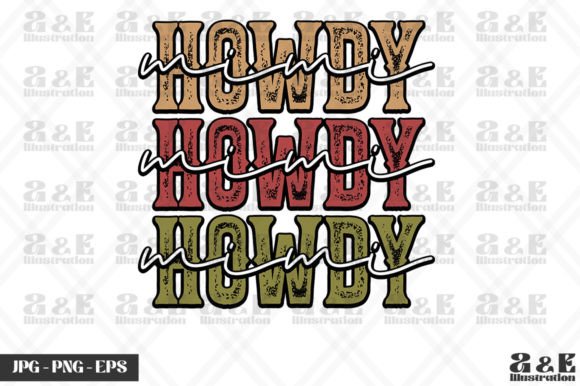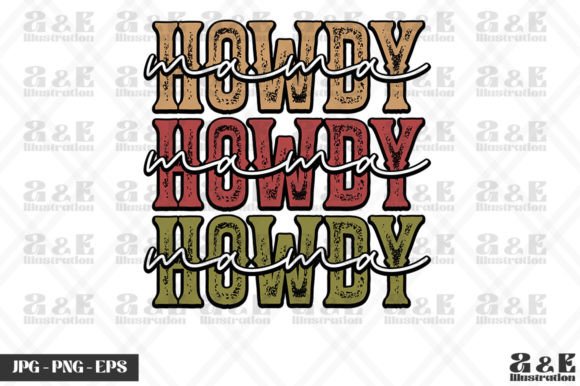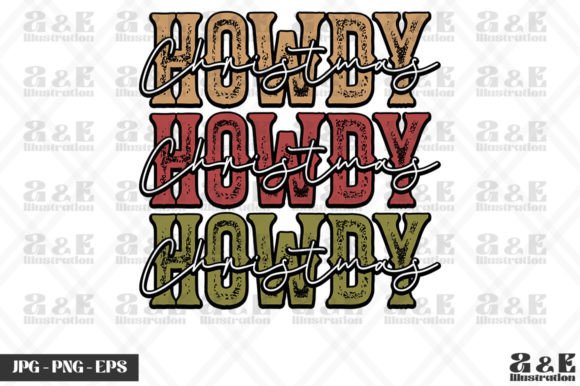
Howdy Nana Country Western New Grandma
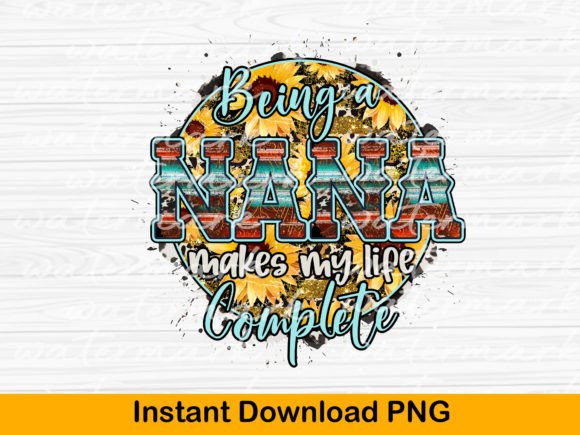
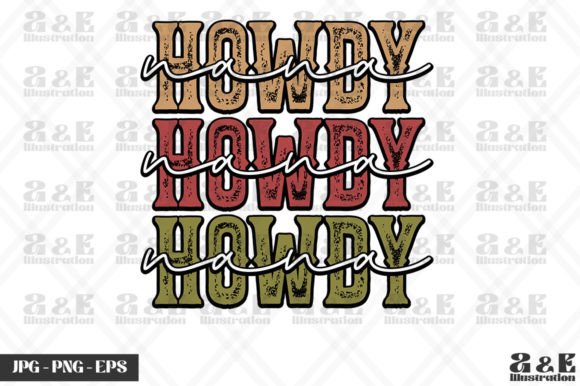
When I evaluate a new embroidery file for my own studio or for clients, I am rarely looking for just "cute." I am looking for viability. Does this design hold up under the needle? Will it translate well from a digital preview to a physical handmade product? Is there enough visual weight to justify the time and thread cost? Recently, I took a close look at the Howdy Nana Country Western New Grandma graphic set, which is categorized under T-Shirt Designs and Graphics. My goal here is to strip away the marketing fluff and give you a practical breakdown of how this machine embroidery design performs in real-world applications, specifically when moving from PNG previews to stitched reality.
First Impressions: The Mood and Visual Personality
The moment you open the zip file containing the PNG, PDF with Alpha Channels, and JPEG files, the theme is immediately clear. This is not subtle. It leans heavily into the country western aesthetic, utilizing a friendly, approachable tone that resonates deeply with a specific demographic. For an Etsy seller or small shop product owner, this is gold because it targets a high-emotion niche: new grandmothers who embrace their rural or rustic roots.
Visually, the layout feels balanced. The typography suggests a bold, readable font style that works well for sweatshirt embroidery where legibility is key from a distance. The "Country Western" element implies decorative accents—perhaps implied stitching textures or thematic icons—that add character without overwhelming the central message. In terms of design assets, having multiple formats is crucial. The 300 dpi PNG with a transparent background allows me to place the mockup on any garment color digitally before committing to a single stitch, while the PDF with alpha channels gives precise layering data if you are doing complex multi-layered applique design work.
Real-World Application: Where This Design Shines
I recently used a similar western-themed motif for a custom order involving a baby shower gift for a rancher’s daughter. The Howdy Nana concept fits perfectly into that emotional arc. Here is where I see this embroidery project succeeding:
- Personalized Gifts: This is the strongest use case. A grandmother receiving a customized item often looks for sentimentality over high fashion. The rustic vibe hits the right note for holiday embroidery gifts, birthdays, or Mother’s Day.
- Apparel Decorators: For those making custom apparel, this design translates beautifully to heavyweight cotton hoodies or denim jackets. The bold nature of the text ensures it doesn’t get lost in the fabric weave.
- Boutique Branding: If you run a craft business focused on family milestones, this serves as a reliable small shop product. It has broad appeal within its niche, reducing the risk of unsold inventory compared to highly abstract art.
- Home Decor: Don’t overlook non-apparel uses. This works exceptionally well on kitchen towels, tea towels, or pillow covers. The contrast between the rugged theme and soft home textiles creates a charming juxtaposition that buyers love.
Technical Execution and Stitch Considerations
As a designer, my first question is always about stitch density. While the provided description lists graphic formats rather than digitized PES or DST files, the visual complexity of the graphic suggests we need to be mindful of how it will stitch. If this is converted into an embroidery project using standard fill stitches, ensure the density isn’t so high that the fabric pucks. Conversely, if it relies on satin stitch for lettering, the edges must be clean to avoid fraying after washing.
Thread colors are critical here. To achieve the authentic western look, you will likely need a palette that includes earth tones—browns, tans, creams, perhaps a muted red or navy. When testing your thread colors, always check them against your actual fabric. A light tan thread might disappear on a beige canvas but pop beautifully on a white tee. I recommend creating a small swatch test to verify contrast levels before running a full production batch.
Another technical note involves the hoop size. Because this is a text-heavy design, stability is paramount. Using the correct stabilizer is non-negotiable. For stretchy fabrics like jersey tees, a cut-away stabilizer is necessary to prevent distortion. For woven fabrics like denim or canvas, a tear-away may suffice, but a wash-away backing can help preserve the texture of the fabric surface.
Where to Use With Caution
Not every surface is created equal. While this design is versatile, there are scenarios where it might struggle:
- Small Hoop Sizes: If you attempt to stitch this on a very small area, such as a tiny patch or a child’s pocket, the details may become muddy. Ensure your final product allows for adequate spacing between elements.
- Textured Fabrics: Bouclé, heavy tweeds, or nubby knits can hide the intricacies of running stitch or fine details. On these surfaces, the design may look blurry or undefined.
- Curved Surfaces: Embroidering on caps or curved tote bag fronts requires advanced hooping techniques. If the design has straight lines or rigid geometry, they may warp slightly on a curved surface. Test this carefully.
- Dark Fabric: If you choose a dark fabric, ensure your thread colors have sufficient contrast. Light pastel threads often require multiple passes or a base layer to show up clearly, increasing hoop time and thread usage.
Impact on Product Value and Customer Trust
In the world of commercial embroidery, presentation is everything. A well-executed Howdy Nana design signals professionalism. When a customer sees crisp satin stitch edges and even fill stitch coverage, they perceive higher value. They trust that the maker paid attention to detail. This is particularly important for Etsy sellers competing in a crowded market. High-quality execution builds customer trust and encourages repeat purchases.
Furthermore, the emotional resonance of the design drives engagement. People buy gifts for others. A design that says "Howdy Nana" instantly communicates love, heritage, and pride. It makes the buyer’s job easier—they don’t have to explain why they chose it; the design does the talking. This reduces friction in the sales process and increases the likelihood of a positive review.
Practical Designer Notes for Final Success
Before you commit to mass-producing items with this design, follow these steps to ensure quality:
- Test on Scrap Fabric: Always run a test stitch-out on the exact fabric you plan to sell. Check for puckering, thread breaks, or misalignment.
- Inspect Small Details: Zoom in on your digital mockups. Are there tiny elements that might get lost in stitching? Simplify if necessary.
- Check Licensing: This is vital. Confirm whether you have commercial rights to sell finished products made with this digital embroidery file. Some graphics allow personal use only, while others permit limited commercial sales. Never assume.
- Black and White Mockups: Convert your design to grayscale to check contrast. If it looks flat in black and white, it will likely look flat in color too.
- Stabilizer Choice: Match your stabilizer to your fabric weight. Heavy fabrics need heavy support; light fabrics need delicate backing.
Ultimately, the Howdy Nana Country Western New Grandma graphic set offers a strong foundation for a profitable line of handmade products. It captures a specific emotion, fits well within popular trends, and provides ample opportunity for creative interpretation through thread selection and fabric choice. By paying attention to the technical details—from stitch density to fabric texture—you can transform this graphic into a professional, high-value finished product that customers will cherish.