Cowboy Illustration Embroidery Review
As a designer who spends more time troubleshooting stitch errors than admiring finished products, I approach every new digital asset with a healthy dose of skepticism. The market is flooded with generic clipart masquerading as embroidery-ready files, and the gap between how a design looks on a screen and how it stitches out can be the difference between a boutique bestseller and a landfill-bound mistake. That is why I take the time to evaluate designs like Cowboy Illustration not just for their aesthetic appeal, but for their practical viability in real-world production environments.
This review focuses on the practical application of this illustrations category graphic, specifically looking at its potential as a machine embroidery design. Whether you are an Etsy seller looking to expand your catalog or a hobbyist preparing a personalized gift, understanding the nuances of this file is crucial before you commit thread to fabric.
First Impressions and Visual Personality
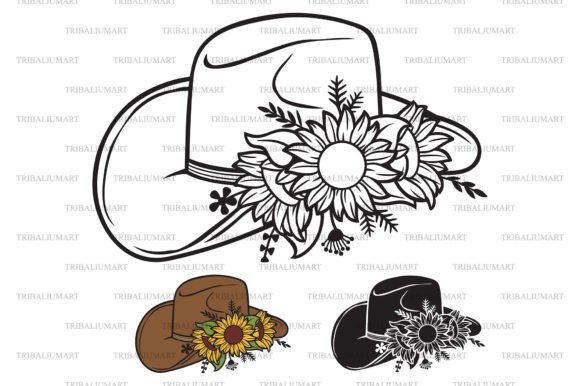
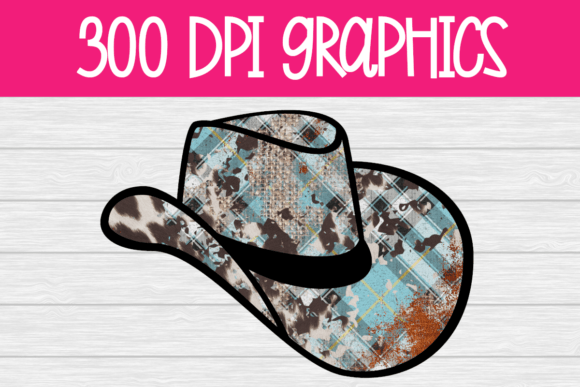
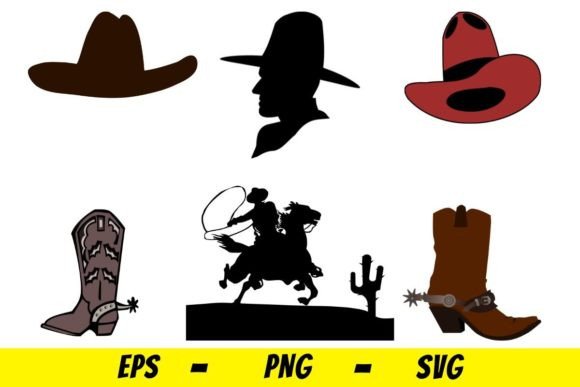
When you first load Cowboy Illustration into your digitizing software or preview it on a mockup, the immediate takeaway is its strong thematic clarity. The design leans heavily into Western aesthetics, which brings a specific mood to any project. It feels rugged yet polished, making it versatile enough for both adult-oriented apparel and niche children’s items. The visual personality is confident; it does not try to be subtle. This boldness is actually a benefit for embroidery, where fine details often get lost in the texture of the fabric.
The layout appears balanced, suggesting that it will sit well centered on a chest pocket, a tote bag front, or even as a focal point on a sweatshirt back. For a craft business, this kind of clear visual identity is gold. Customers scrolling through online shops need to grasp the theme instantly. A cowboy motif triggers associations with heritage, outdoor lifestyle, and Americana, which resonates strongly with specific demographics. It creates an instant connection before the customer even reads the product title.
Real-World Application: Where It Shines
In my testing scenarios, Cowboy Illustration showed remarkable adaptability across various handmade product categories. Let’s look at a few specific use cases where this design truly excels.
- Tote Bag Design: This is perhaps the most natural fit. A sturdy canvas tote featuring this illustration immediately signals a lifestyle brand. The design’s likely scale works perfectly here, allowing for a large, impactful print that doesn’t overwhelm the bag’s structure. It appeals to shoppers looking for durable, stylish everyday carry items.
- Sweatshirt Embroidery: For fall and winter collections, this design adds a touch of character to heavyweight cotton blends. When placed on the left chest, it offers a sophisticated, understated look. On the back, it becomes a statement piece. The Western theme pairs exceptionally well with denim jackets and fleece hoodies, creating a cohesive seasonal collection.
- Baby Embroidery and Nursery Decor: Don’t overlook the smaller markets. A softened version of this cowboy theme, perhaps in pastel threads, works wonderfully for nursery wall art or baby onesies. Parents love personalized items that tell a story, and a cowboy motif suggests adventure and strength—traits many parents want to symbolize for their children.
- Embroidered Patch: If the file includes clean edges suitable for applique or dense satin borders, it translates beautifully into a detachable patch. These are huge sellers on platforms like Etsy. They allow customers to customize their own gear, adding value to the original purchase.
Furthermore, its versatility extends to kitchen towel designs and apron embroidery. In a rustic-themed kitchen, a cowboys’ apron tells a story of craftsmanship and tradition. It elevates a simple utility item into a decorative accent.
Technical Considerations and Stitch Quality
While the visual concept is strong, the success of any embroidery project hinges on technical execution. As a reviewer, I must highlight areas where caution is required.
Stitch Density and Clarity: You must inspect the internal details of the illustration. Cowboy imagery often involves textures like leather, denim, or facial hair. If the digitization uses too much fill stitch in small areas, the fabric may pucker. Conversely, if the lines are too thin, they may disappear entirely. I recommend checking the stitch density closely. Areas that rely on running stitch for fine details should be tested on scrap fabric to ensure the thread holds its shape without breaking.
Fabric Texture Compatibility: This design performs best on medium-to-heavy weight fabrics. While it might look great on a smooth polo shirt, attempting to stitch it on a highly textured boucle or a very thin, stretchy knit can lead to distortion. The hoop size constraints also matter; if the design is large, you need a machine capable of handling it without re-hooping, which introduces alignment risks.
Thread Color Contrast: The effectiveness of the illustration depends heavily on your thread choices. On dark fabric, light thread colors are essential for visibility. On light fabric, darker tones provide necessary definition. I always advise testing your chosen thread colors against your actual fabric swatch under natural lighting conditions. Screen colors rarely match thread colors accurately.
Where to Use Carefully
There are certain applications where Cowboy Illustration might struggle:
- Small Hoop Sizes: If the design contains intricate details that cannot be simplified, shrinking it down to fit a 4x4 hoop may result in a muddy, indistinguishable blob.
- Curved Surfaces: Stitching on the curved crown of a cap requires precise stabilizer usage. If the design is too wide or dense, it may not lay flat against the curve, causing gaps or puckering.
- Dark Fabric on Dark Thread: Avoid low-contrast combinations unless the design relies purely on texture rather than color differentiation.
Production Advice for Sellers
For those of you selling finished goods or digital assets, presentation is everything. When creating printable mockups for your shop, ensure you show the design on varied backgrounds. Show it on a white tee, a black hoodie, and a beige tote. This helps buyers visualize the final product and reduces return rates due to mismatched expectations.
Always confirm licensing terms before listing this as a commercial embroidery product. Even if the file is sold as a digital embroidery file, the rights to sell the physical output vary by creator. Clear communication builds trust with your customers.
Finally, remember that consistency is key to building a brand. If you are using Cowboy Illustration as part of a larger collection, ensure the style aligns with your other offerings. Does it fit the vibe of your shop? Is it professional? Does it feel intentional? If the answer is yes, you have a winner. If not, it might be better suited for personal projects or gifts.
Final Verdict
Cowsey Illustration is a robust, thematically clear asset that offers significant potential for custom apparel and gift items. Its strength lies in its ability to evoke a specific lifestyle aesthetic that resonates with a broad audience. However, like all graphics intended for textile conversion, it demands respect for the technical limitations of embroidery. Test thoroughly, choose your fabrics wisely, and present your work professionally. Done correctly, this design can be a staple in your creative arsenal, driving engagement and sales for your handmade business.